M&S Cyber Attack Exposes Supply Chain Vulnerabilities
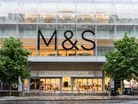
Marks & Spencer, one of the UK’s leading retailers, has recommenced its online services across England, Scotland and Wales after a challenging six-week period during which the company experienced a digital blackout, severely impacting its profits.
This disruption was triggered by a complex cyber attack orchestrated by the Scattered Spider hacking group, forcing the retailer to suspend all online operations in April. The cyber assault has also caused turmoil for other major supermarkets and suppliers such as Co-op and Peter Green Chilled, leading to various supply chain disruptions.

The episode not only emphasised Marks & Spencer’s cyber vulnerabilities but also spotlighted the broader risks associated with third-party contractors, as the attackers infiltrated the company through such a vector. This event serves as an important caution for businesses deeply integrated into digitally connected ecosystems.
Tentative road to recovery
Marks & Spencer's customers can now resume placing orders for home delivery for the first time since the disruption occurred over the Easter weekend. However, according to the company, the full suite of services, such as click-and-collect and next-day delivery, is expected to take additional weeks to be fully functional. John Lyttle, M&S’s Managing Director of Fashion, Home & Beauty, confirmed through social media that some of the retailer's top fashion lines are once again available for home delivery.
As Marks & Spencer cautiously restores their operations, wider attention is drawn to risks that an interconnected supply chain brings, and whether security measures are adequate to face similar future challenges.
Financial impact of cyber disruption
The financial consequences of the cyber attack have been substantial, marking one of the costliest in the retailer’s history. Within the UK market, Marks & Spencer faces an estimated weekly loss of $33.7m purely from clothing and homeware sales. M&S anticipates the total financial toll could escalate to $404m by July.
Preceding these events, Marks & Spencer had demonstrated robust financial performance, outpacing other department stores such as BHS or House of Fraser. It marked a significant annual growth since 2021, with profits soaring to $1.18bn, illustrating a 22.2% increase by March of this year. Despite the previous success, this event has deeply impacted the company's stability. "The shelves might get restocked, but the long-term effects ripple through every part of the business," says Dustin Kluttz, Senior Cybersecurity Strategist at Cybersecure.
Industry-wide implications
For many cybersecurity professionals, the incident stands as a critical warning, illustrating the dire need for heightened defenses against cyber threats, even for well-established retailers. The attack has spurred serious concerns regarding customer data security, potentially affecting customer trust and willingness to share personal information.
“Will this be the watershed moment where companies start to take cybersecurity seriously, at least in the UK?," asks John Marsh, Technology Director at SRC. The call to fortify cyber defenses resonates across sectors as enterprises are urged to reassess digital frameworks to withstand increasingly sophisticated cyber threats.
"On a professional level, it is important to make sure that businesses understand the damages a cyber attack can cause, not just in the short term but in the long term too," explains Doriane Alba, Customer Success Manager & Head of Strategic Partnerships at RiskImmune.
Explore the latest edition of Cyber Magazine and be part of the conversation at our global conference series, Tech & AI LIVE and Cyber LIVE.
Discover all our upcoming events and secure your tickets today.
Cyber Magazine is a BizClik brand