Bans, New Laws and Security: What’s the Latest on DeepSeek?
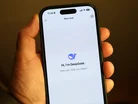
The world is still talking about DeepSeek, which is hardly surprising considering the rollercoaster ride the Chinese startup’s R1 model has been on since its launch at the end of January: disrupting the global AI market, topping global app stores, sparking tumult in the US markets, and a cyber attack for good measure.
Worldwide security concerns about the app continue and have sparked action from several countries discussing bans, potential bans, newly proposed laws and – in the US – possible prison sentences for users.
These players cite valid reasons for their concern. Only a week after its launch DeepSeek was hit by a large-scale cyber attack that saw it temporarily halt new customers from outside China registering. The startup provided scant details but said it had been the victim of a malicious attack that was fixed not long after.
This did nothing to quell sentiments towards AI security and the safety of apps more broadly, particularly after recent US government action against TikTok about possible concerns around the Chinese government collecting user data. Arctic Wolf’s Dan Schiappa said at the time: “People are already worried about how much data social media firms have access to, so just imagine what the risks could be with Chinese foundational models being trained on all your data.”
What does DeepSeek do with data?
DeepSeek is clear about how it uses and stores data, stating in its privacy policy that it keeps user information in secure servers located in the People’s Republic of China.
The company says it collects three types of information from users: directly provided data like names and email addresses, automatically collected data such as IP addresses, and some from other sources like Apple or Google logins.
DeepSeek says in its terms that information can be stored ‘for as long as possible’ and used for various purposes.

Much of the concern about DeepSeek comes from the fact that information is stored on Chinese servers. Recently researchers from web security firm Feroot Security claimed to have uncovered links between DeepSeek and China Mobile, a state-controlled telecoms company previously delisted from the New York Stock Exchange due to security risks.
Feroot said it had found ‘hidden code capable of transmitting user data to China Mobile’s online registry, CMPassport.com’. CEO Ivan Tsarynny told ABC news: “We see direct links to servers and to companies in China that are under control of the Chinese government. And this is something that we have never seen in the past.”
Also speaking with ABC News, former top officer at the Department of Homeland Security and the National Security Agency Stewart Baker, explained that DeepSeek raises all of the TikTok concerns plus you’re talking about information that is highly likely to be of more national security and personal significance than anything people do on TikTok."
Global action on DeepSeek
The security concerns have prompted swift action worldwide since DeepSeek’s launch. Australia introduced a ban of all DeepSeek products from government systems and devices with immediate effect on 4 February, with Home Affairs Minister Tony Burke citing national security risks.
South Korea’s government has banned the use of DeepSeek across several key ministries, the Italian Data Protection Authority ordered a nationwide ban on 28 January preventing anyone in the country from downloading the app, and government agencies in Taiwan have also banned the app.
In the US an official ban on government devices has yet to be implemented, but several agencies and organisations in the nation have banned workers from using DeepSeek including the US Navy.
It is reported that the US government is considering wider measures. Most recently, Republican Senator Josh Hawley filed a proposed law to prohibit use that, if passed, could see people facing hefty fines or potential prison sentences if they use DeepSeek.
Explore the latest edition of Cyber Magazine and be part of the conversation at our global conference series, Tech & AI LIVE and Cyber LIVE.
Discover all our upcoming events and secure your tickets today.
Cyber Magazine is a BizClik brand