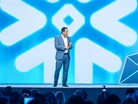

Snowflake Summit 26 framed the rise of autonomous AI agents as a governed, auditable evolution anchored in enterprise data controls.
Across keynotes, Snowflake executives stressed that AI agents should run where trusted data lives, operate under explicit identities and collaborate across organisations without leaking personal identifiable information (PII).
Why it matters for cybersecurity
AI agents are rapidly moving from experimental pilots into active production.
As a result, security leaders will soon be accountable for the data access, actions and audit trails of these autonomous systems.
Running models where the data is naturally reduces data exfiltration risks and simplifies overarching governance, but it simultaneously forces security teams to shift their focus toward granular policy, distinct identity and deep observability for non-human actors.
Furthermore, as cross-company data collaboration expands, privacy-preserving controls and role separation are transitioning into first-class engineering requirements.
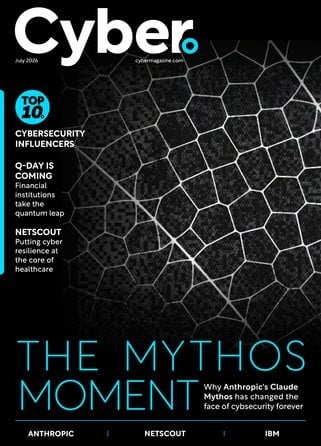
When one of the largest pure-play AI companies in the world wants systems in place to pause global AI development, the request carries weight.
Particularly, as this call happens to contradict the AI giant's economic interest, which could suggest the security risks are substantial.
The root concern is recursive self-improvement, where AI develops and designs its future self. This creates a control problem for cybersecurity professionals who must safeguard systems they may no longer fully understand.
According to Anthropic, in a blog post titled 'When AI Builds Itself', the industry is not fully at the stage of autonomous self-improvement.
However, it could arrive much sooner than organisations can prepare their security frameworks.

The HALO Trust is the world's largest humanitarian mine clearance charity, with projects in 36 countries including war-torn Ukraine.
Lately, HALO has sought better control and visibility over its fluctuating user base, which includes temporary and local workers who are based in difficult terrain.
The admin workload with frequent staff movement is burdensome to say the least, and this user lifecycle management problem also has the potential to open up security risks if certain accounts remain active longer than necessary.
Anthropic took great care to keep Claude Mythos Preview away from the public because of its superior bug hunting capabilities that easily poked holes in critical software infrastructure.
Yet, the company is releasing Claude Fable 5 – a Mythos class model, which Anthropic attests has been made safe for general use.
“Fable is a Mythos-class model. The most capable class of systems we've built and the first one we've made generally available,” says Mike Kriegar, CPO at Anthropic.
“It's state of the art on nearly every benchmark (SWE-bench Pro went from 69.2 with Opus 4.8 to 80.3), with a lead that grows as tasks get longer and harder.

The world’s largest threat intelligence company, Recorded Future has announced a strategic partnership with Wipro with the expressed aim of helping enterprises turn threat intelligence into meaningful action.
Originating from the collaboration is the launch of a new Managed Threat Intelligence and Brand Monitoring service within Wipro's managed security services portfolio (MSSP).
Designed for large enterprises, the offering combines threat intelligence, digital risk protection and proactive threat hunting to help security teams respond more effectively to emerging risks.
Helping teams overwhelmed with disconnected alerts and data feeds, the service seeks to embed contextual intelligence directly into day-to-day security operations, allowing organisations to make faster and more informed decisions.
Company portals











Executives
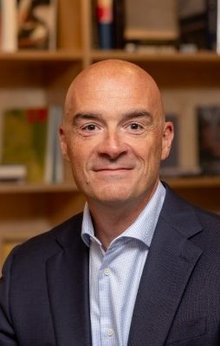
Andrea Sivieri
Chief Product and Technology Officer
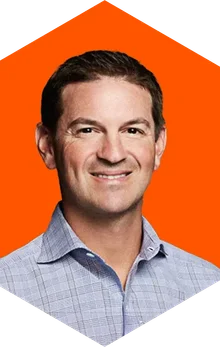
Andrew Rubin
Founder and CEO
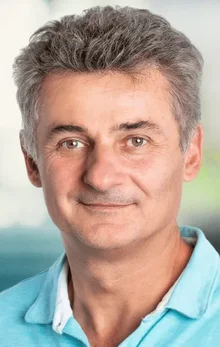
Benoit Dageville
Co-Founder and President of Product
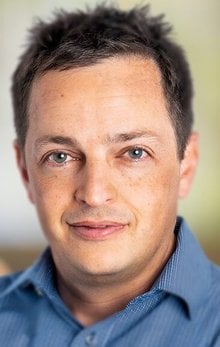
Christian Kleinerman
EVP of Product
Colin Mahony
CEO
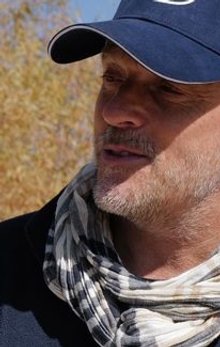
Dan Dickinson
Global Director of Information Systems

Dario Amodei
CEO and Co-Founder

Marina Favaro
Lead at the Anthropic Institute
Mike Krieger
Chief Product Officer
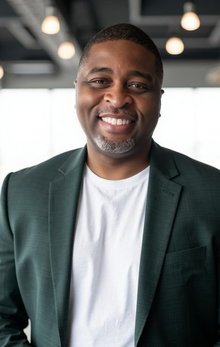
Patrick Duroseau
Chief Data AI Officer
Satish Yadavalli
Senior Vice President and Global Business Head - Cloud and infrastructure Services
Sridhar Ramaswamy
Chief Executive Officer